
Several years ago, the company I worked for grew bigger than the office space it had. I had the privilege to give inputs on the design of our next office space.
I was in a meeting with the office designer firm. They were presenting their first iteration of the design. Then it was time for us to give our feedback.
On the subject of meeting rooms and areas, I proposed to have a no-shoe area where people can meet or hangout in a more casual manner.
“Why would you need that?” the designer asked.
“I like to sit on the floor,” I answered.
The designers laughed.
I felt embarrassed.
They were going to move on to discuss other things when my CEO chimed in, “Actually, I like that idea. Let’s add that to the design.”
At which point the designers fell silent for a moment before promising to include that in the next design iteration.
Sometimes my mind replays that scene when I encounter situation where I hesitate to put an idea forward.
It is very human to avoid discomfort. And for me, speaking out is uncomfortable (not to mention I grew up in a culture where you should be avoiding being laughed at, in the name of “malu”).
But over the years, I learned that it is not always that bad. Yes, sometimes people will laugh at my idea (or ignorance), but most of the time, nothing bad happens. Sometimes they agree, sometimes they ask for clarifications, and sometimes they disagree.
I’ve never been in a situation where somebody got fired because of contributing an idea (and if that happened to you, I think that’s for the best, that seemed like a toxic place to be). I definitely have seen someone being let go because they cannot be in a disagreement PROFESSIONALLY (what? Do you mean engineers need to communicate? With other people?).
And if I did get laughed at, I learned to be okay with it. People can laugh. I don’t have all the answers, and that’s okay.
I hope that everyone can overcome their fear and insecurities. Because the point of working in an organization is to solve problems with the best solution. And the best solution is usually the one coming from many different perspectives.
For example, when my colleagues and I discussed about performance bottleneck in an event-delivery system, someone proposed a solution, while the other raised concern on the impact (sometimes it’s cost, sometimes complexity). In the end we would test out some ideas and pick the one with the least drawback.
So, ask yourself, what’s the worst that can happen? (Also, when you do speak up, please do it respectfully)
Oh and if you are curious what happened with the office design, check these out:
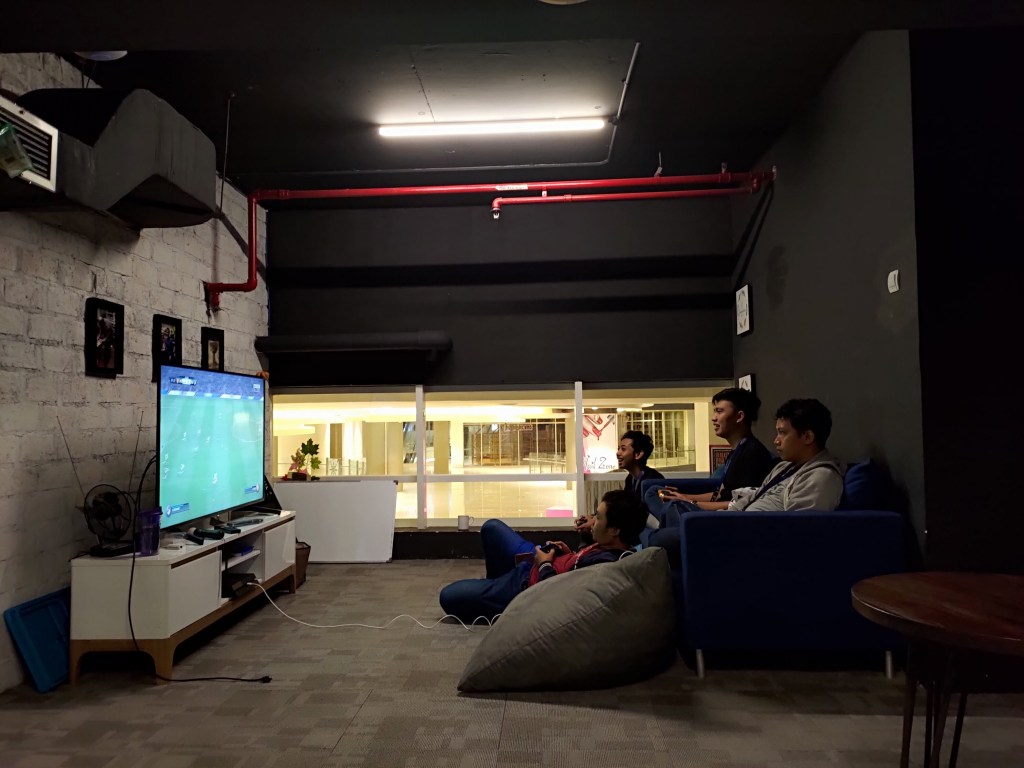
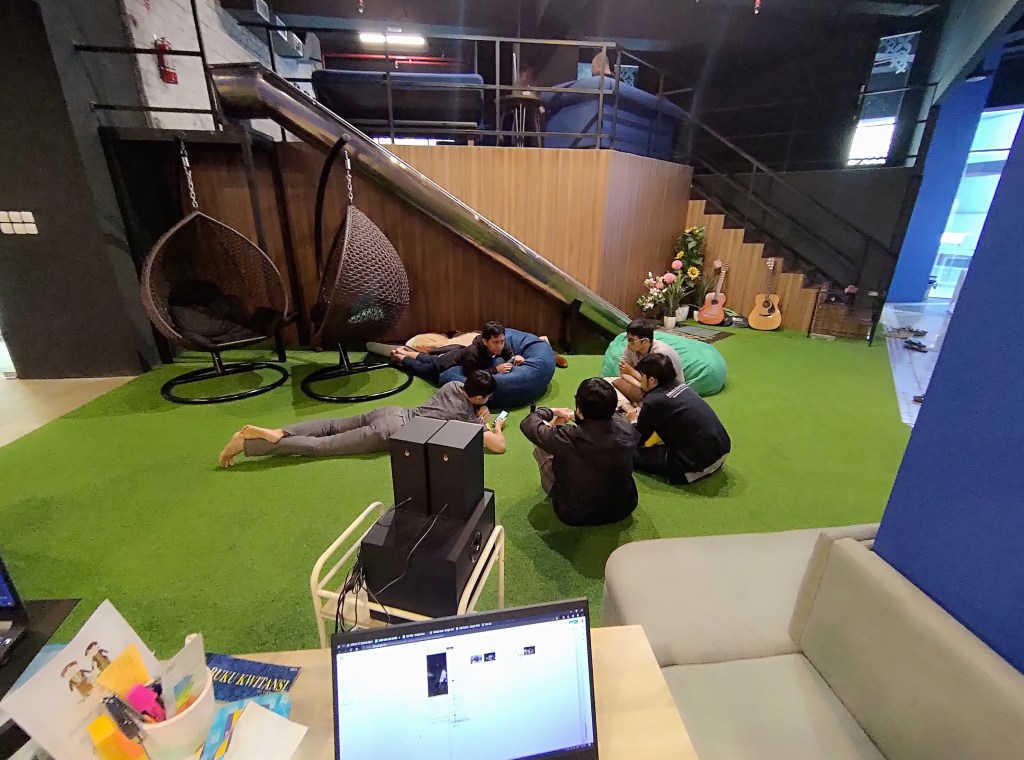
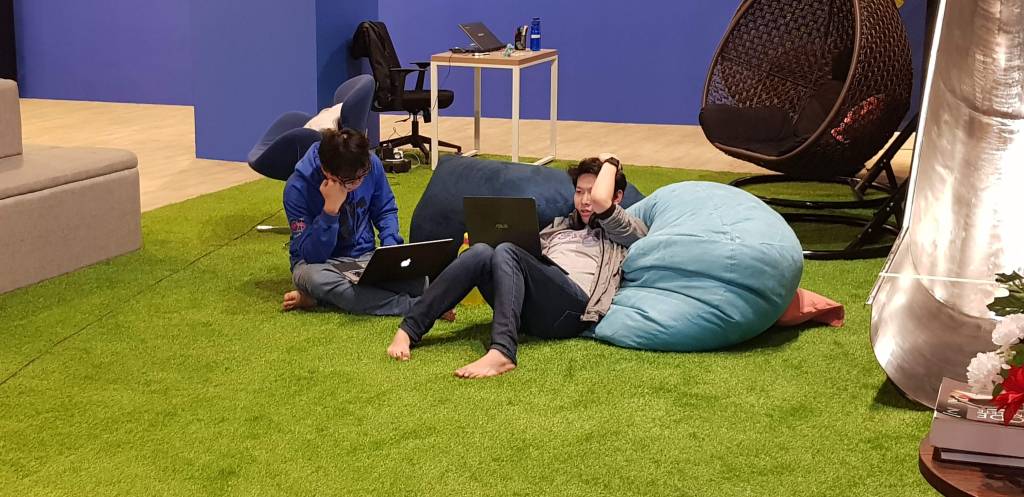
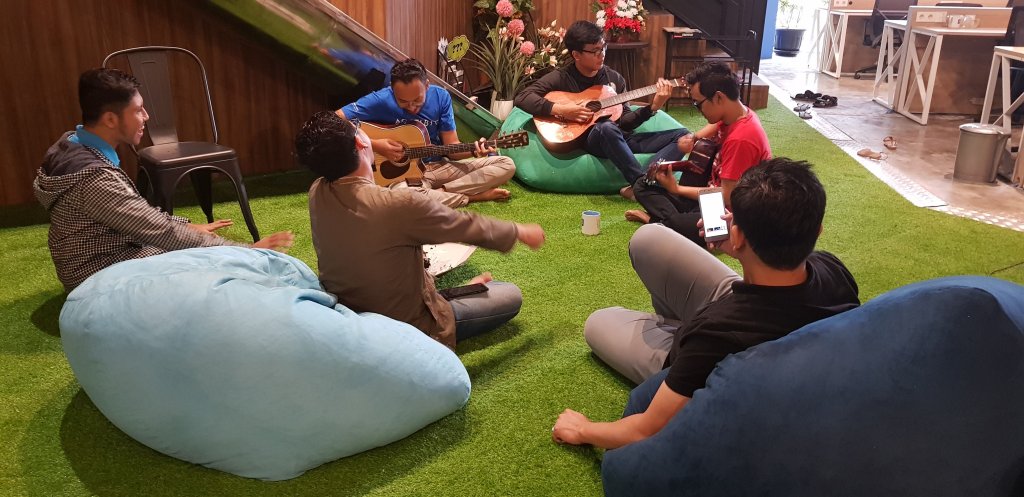
Some of my overseas colleagues visited the office last year. And so far, I only hear good things about the no-shoes area. (Feeling vindicated? Oh, very much so!)
 anggorodewanto.com
Leave a comment